
April Stargazing in Sedona: What Constellations to Look For Under the Spring Night Sky
There’s a particular stillness that arrives in Sedona after sunset in April. The daytime warmth fades into a soft desert breeze, the red rock formations settle into shadow, and above it all, the sky quietly opens.
Spring is one of the most rewarding seasons for Sedona stargazing in April, offering clear desert air, comfortable nighttime temperatures, and a sky filled with constellations that have inspired travelers for thousands of years. Unlike the deep winter sky or the dramatic sweep of the Milky Way in summer, April’s celestial landscape feels balanced—familiar winter stars drifting west while the heralds of summer rise in the east.
For those who pause long enough to look up, the experience becomes something more than sightseeing. It becomes a moment of reconnection—with nature, with wonder, and with the quiet rhythm of the desert night.
Why April Is One of the Best Months for Stargazing in Sedona
Spring in Northern Arizona offers nearly ideal conditions for observing the night sky.
April evenings in Sedona typically bring daytime temperatures in the mid-60s to mid-70s°F, cooling to 40–50°F after dark. The air is often dry and clear following winter storms, creating excellent atmospheric transparency for viewing stars and planets.
Other reasons April is a favorite for astronomy enthusiasts:
– Longer evenings without extreme cold
– Low humidity, which reduces atmospheric haze
– Comfortable outdoor conditions for extended stargazing
– Seasonal constellations transitioning, offering a wider variety of celestial objects
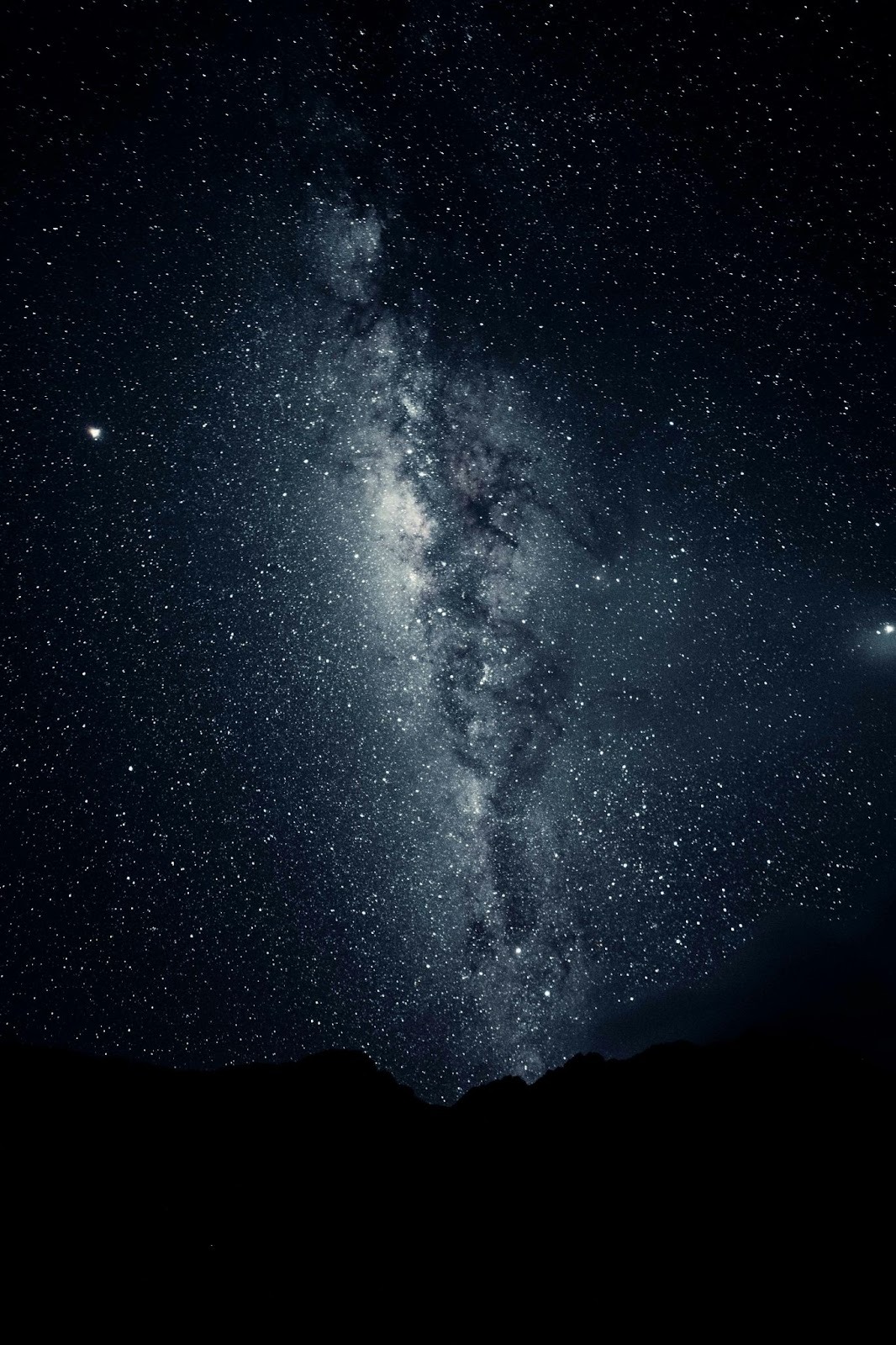
Sedona is also designated within one of the world’s International Dark Sky Communities, meaning strict lighting standards help preserve visibility of the night sky. Away from bright city lights, even casual observers can see thousands of stars with the naked eye.
Spring Constellations Visible in the April Sky
As darkness settles, several constellations take center stage during April evenings in Arizona.
Some are bright and unmistakable, while others reveal themselves slowly as your eyes adjust to the darkness.
Leo the Lion
One of the most recognizable constellations of spring, Leo rises high in the southern sky during April nights.
Its signature shape resembles a backwards question mark, known as “The Sickle,” which forms the lion’s head and mane.
The brightest star in Leo is Regulus, often called the heart of the lion. Ancient civilizations associated this star with royalty and power, and it remains one of the easiest spring stars to locate.
Once you find Regulus, the rest of Leo stretches eastward like a reclining lion across the sky.
Boötes and the Bright Star Arcturus
Follow the curve of the Big Dipper’s handle and you’ll arrive at Arcturus, the brightest star in the constellation Boötes.
Astronomers often teach a simple phrase:
“Arc to Arcturus.”
Arcturus is one of the brightest stars visible from Earth and shines with a warm orange hue caused by its cooler surface temperature compared to bluer stars.
Because it is relatively close to our solar system—about 37 light-years away—it appears exceptionally bright and steady in the spring sky.
Virgo and the Star Spica
Continuing the arc beyond Arcturus leads to Spica, the brightest star in the constellation Virgo.
Virgo is a large but subtle constellation, often difficult to see fully without darker skies. However, Spica stands out clearly and helps guide observers toward the Virgo Cluster, a massive grouping of distant galaxies that astronomers frequently study with telescopes.
Even without equipment, finding Spica is a rewarding milestone for new stargazers.
The Big Dipper (Ursa Major)
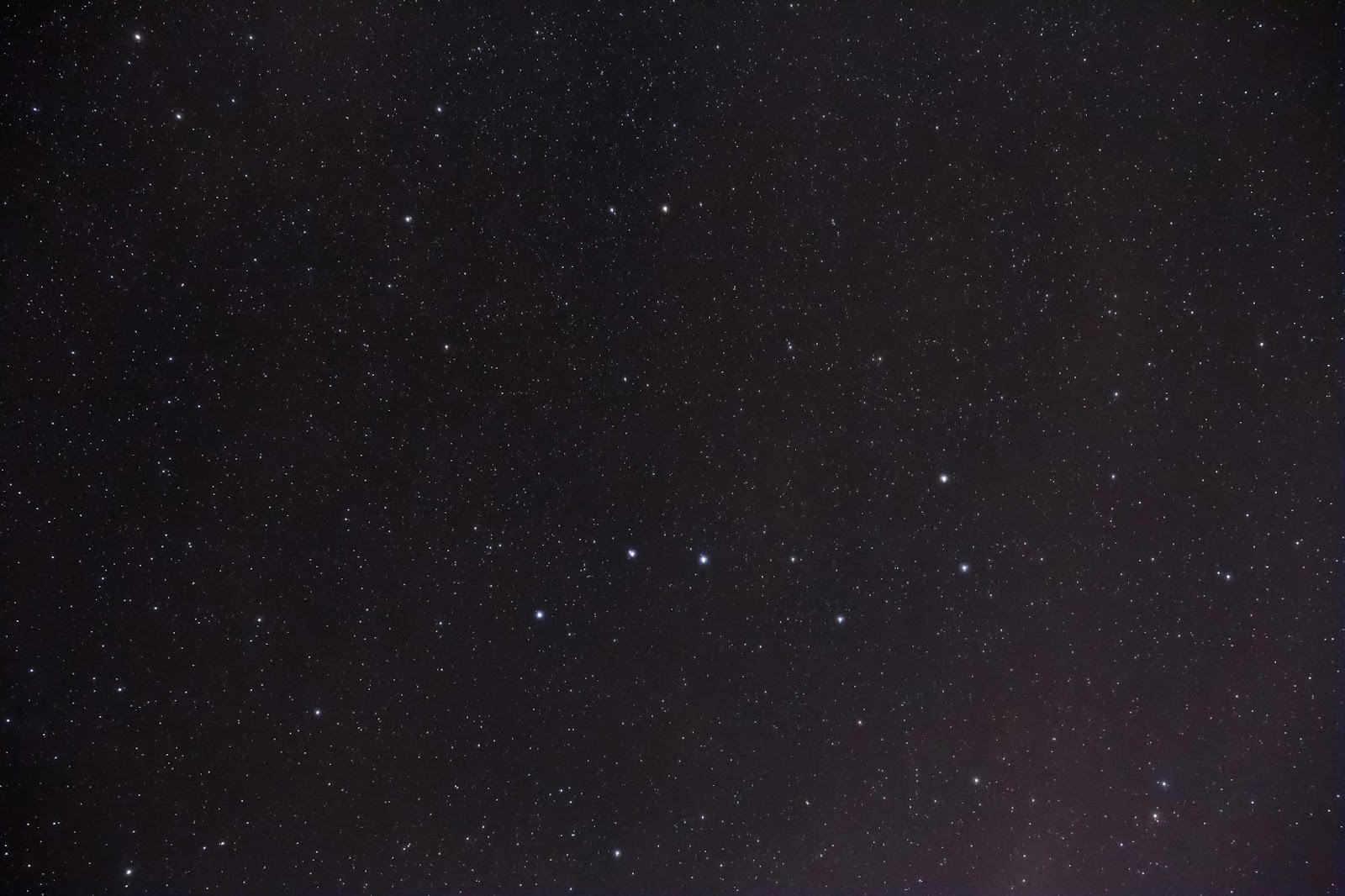
While technically part of Ursa Major, the Big Dipper is often the easiest star pattern to recognize.
In April, it sits high in the northern sky and serves as a navigational anchor for locating other constellations. The two outer stars of its bowl point directly toward Polaris, the North Star.
From there, you can begin mapping the rest of the sky.
What It Feels Like to Step Outside on a Spring Night in Sedona
There’s a moment that often happens after sunset in Sedona.
The desert cools. The air softens. Sounds fade.
And the sky slowly begins revealing itself.
Imagine stepping outside on a quiet April evening. The warmth of the day lingers faintly in the sandstone around you, and the scent of juniper drifts through the air. Above the dark outline of red rock cliffs, the first stars appear—just a few at first.
Then more.
Within minutes, the sky deepens into a vast field of light.
You notice patterns forming. Leo rising confidently in the south. Arcturus glowing like an ember overhead. The Big Dipper tipping slowly as if pouring starlight across the sky.
The longer you stand there, the more the desert night seems to expand around you. Time slows. Conversations quiet. The sky becomes less something you observe—and more something you experience.
Tips for Better Stargazing in Sedona
If you plan to enjoy Sedona’s famous dark skies, a few simple tips can enhance the experience.
Allow Your Eyes to Adjust
Give your eyes 15–20 minutes to fully adapt to darkness. Avoid bright screens or flashlights during this time.
Use Red Light Instead of White Light
Astronomers often use red light because it preserves night vision while still allowing you to see maps or equipment.
Bring a Blanket or Comfortable Seating
Spring nights are comfortable but cool. A blanket or outdoor chair makes extended stargazing far more enjoyable.
Use a Stargazing App
Apps like SkyView, Star Walk, or Stellarium can help identify constellations in real time.
Experience Sedona’s Dark Sky From a Place Designed for It
Sedona’s night sky has a way of transforming an ordinary evening into something memorable.
At Dark Sky Lofts, that experience is woven into the environment itself.
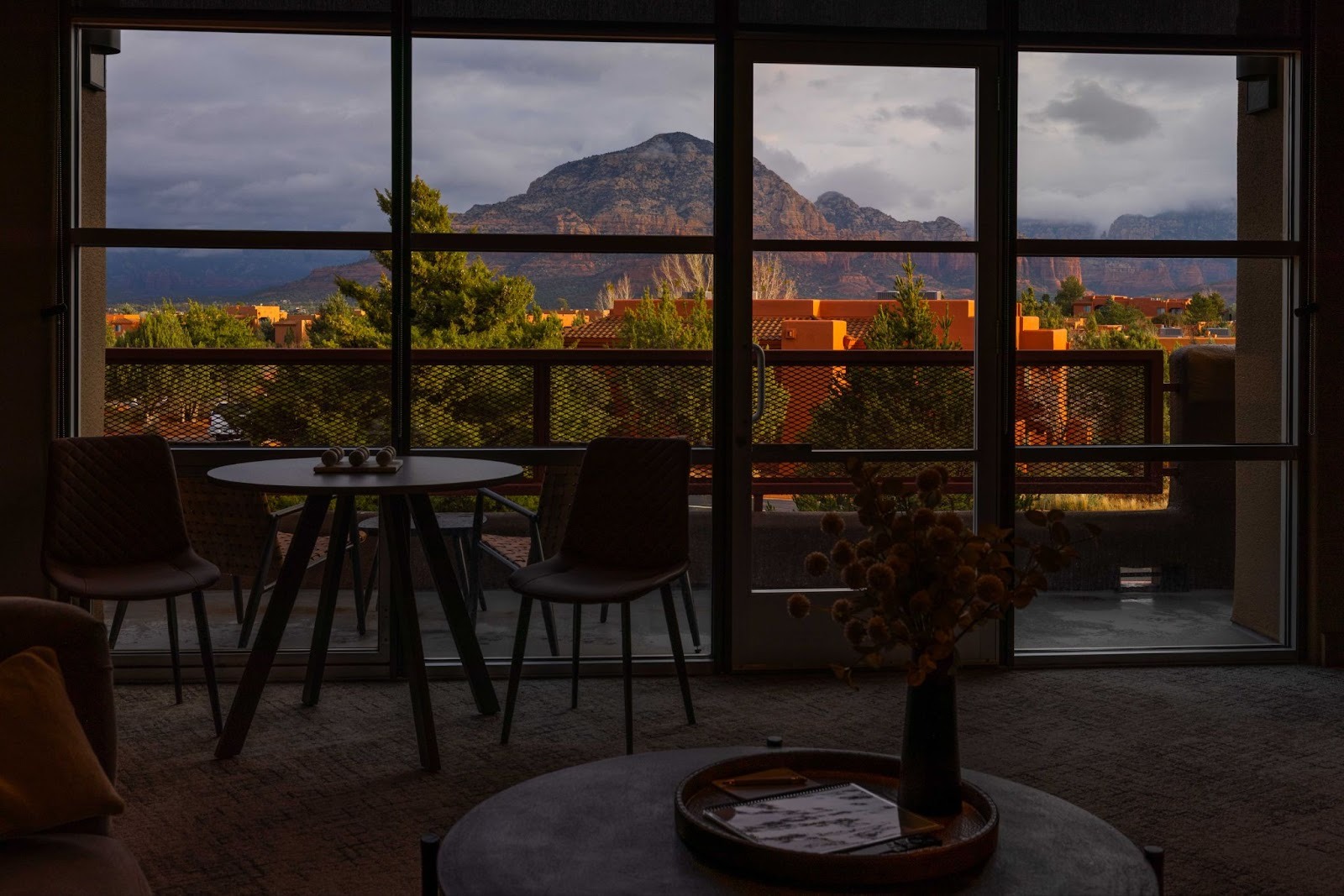
Tucked beside the Cultural Park–Girdner Trailhead in West Sedona, the property offers a quiet setting intentionally designed for guests who appreciate stillness, nature, and the beauty of the desert sky. After a day exploring nearby trails or watching the sunset over the red rocks, evenings become an invitation to slow down—step outside, breathe deeply, and simply look up.
In a place where light pollution is minimal and the stars feel impossibly close, the sky becomes part of the stay.
If you’re planning a spring escape to Sedona, April is one of the most magical times to experience it.
Book your stay at Dark Sky Lofts and discover Sedona’s night sky the way it was meant to be seen.
Anchor Links:
“Learn more about what makes our lofts perfect for stargazing” https://darkskylofts.com/about-the-lofts/
“Check out our image gallery” https://darkskylofts.com/gallery/